
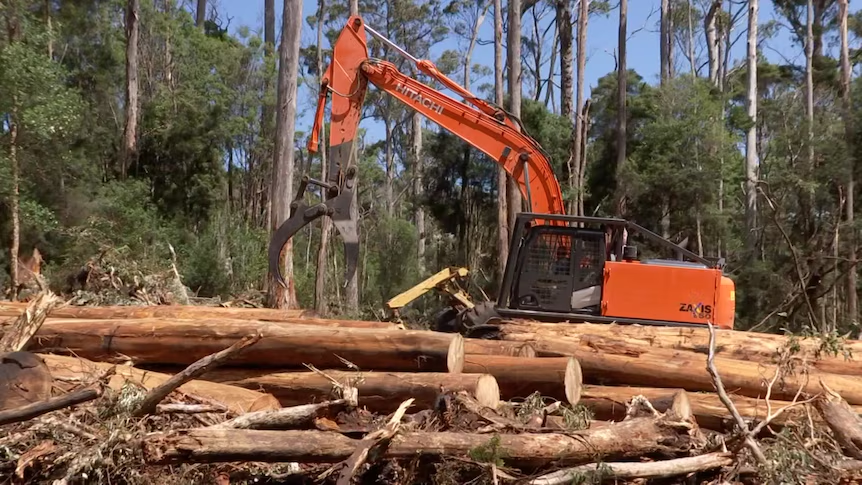
Native forests are being destroyed, wildlife homes erased, and irreplaceable ecosystems pushed to collapse — all while Australians are urged to look elsewhere for the cause.
Australia is facing a profound biodiversity crisis as large-scale logging continues across Tasmania and other parts of the country, destroying native forests that countless species depend on for survival. These landscapes are not empty tracts of land — they are complex, living ecosystems that support threatened wildlife found nowhere else on Earth. As logging corporations push forward with plans to clear forests for commercial gain, the destruction of habitat has reached a point that demands urgent national attention and collective resistance.
Tasmania: A Biodiversity Stronghold Under Relentless Pressure
Tasmania is globally recognised for its extraordinary biodiversity and high level of endemic species. Its native forests provide critical habitat for animals such as the swift parrot, Tasmanian masked owl, spotted-tailed quoll, and Tasmanian devil, along with countless lesser-known species of insects, fungi, birds, and plants.
Logging in these forests:
-
Destroys tree hollows that take centuries to form
-
Removes essential breeding and feeding grounds
-
Fragments ecosystems beyond recovery
-
Forces wildlife into unsafe areas, leading to injury and death
Once these forests are logged, the intricate web of life they support is dismantled — often permanently.
The Bob Brown Foundation: Standing on the Frontline for Forests
One organisation consistently leading the fight to protect Tasmania’s forests is the Bob Brown Foundation. Through frontline forest monitoring, peaceful protest, legal action, and public education, the Foundation has played a critical role in exposing destructive logging practices and amplifying the voices of Australians who refuse to accept the loss of native forests as inevitable.
The Bob Brown Foundation’s work reminds us that:
-
Logging in high-conservation areas is a choice, not a necessity
-
Transparency and accountability are often missing from forestry approvals
-
Public awareness and activism are essential to protecting biodiversity
Their ongoing efforts underscore the importance of vigilance, courage, and community action in the face of powerful corporate interests.
A National Problem: Logging Across Australia
While Tasmania is at the heart of the current debate, native forest logging is also threatening biodiversity in New South Wales, Victoria, Queensland, and Western Australia. Across the country, forests that serve as wildlife corridors and strongholds are being cleared or degraded, placing additional pressure on already vulnerable species.
Replanting does not replace:
-
Old-growth structure
-
Biodiversity complexity
-
Interdependent species networks
Plantation forestry cannot replicate native ecosystems — and wildlife pays the price.
Shifting the Narrative: Habitat Destruction Cannot Be Ignored
Too often, the decline of native wildlife is attributed primarily to invasive species, while the far more destructive and immediate threat of habitat destruction through logging is downplayed or ignored.
While invasive species can impact ecosystems, they do not bulldoze forests, remove nesting trees, or erase entire landscapes.
Logging:
-
Eliminates habitat at scale
-
Leaves wildlife with nowhere to go
-
Makes ecosystems more vulnerable to all other threats
If we continue to ignore habitat destruction, no amount of invasive species management will save Australia’s wildlife. You cannot protect animals without protecting the places they live.
Corporate Profit at the Expense of Living Systems
The continued approval of logging operations in known wildlife habitat reflects a system where corporate profit is prioritised over biodiversity. Forests are treated as resources to extract rather than ecosystems to protect — despite overwhelming evidence of their ecological importance.
This approach is not only short-sighted, it is devastating.
Why Every Australian Must Pay Attention
This is not a niche environmental issue. It is about:
-
Protecting Australia’s unique natural heritage
-
Preventing further species decline and extinction
-
Standing up for ecosystems that cannot speak for themselves
Silence allows destruction to continue.
What Needs to Happen Now
Urgent national action must include:
-
Ending logging in high-conservation and wildlife habitat areas
-
Stronger biodiversity protection laws with real enforcement
-
Greater transparency around forestry approvals
-
Support for organisations actively defending forests, such as the Bob Brown Foundation
-
A national shift in priorities from extraction to protection
A Call to Stand for Forests and Wildlife
Australia’s forests are not expendable. Our wildlife is not collateral damage.
This is the moment for Australians to rally, speak out, and demand better. Protecting forests is not radical — it is essential. If we continue to allow logging to destroy the homes of native species, we are actively choosing biodiversity loss.
The destruction of habitat must stop — and it starts with awareness, accountability, and action.