Earth swelters through hottest August and northern summer on record
After more than 12 months of record-breaking heat this year and last, the 2024 summer period in the northern hemisphere shatters records to become the hottest yet.

After more than 12 months of record-breaking heat this year and last, the 2024 summer period in the northern hemisphere shatters records to become the hottest yet.
Our study links urbanisation, particularly the increase in built infrastructure and the loss of green space, to a decline in the bird communities we find most attractive
The birds that fill our mornings with songs and our parks and gardens with colour are disappearing from our cities, our new study has found.
We examined 82 bird species across 42 landscape types in Brisbane. The range of landscapes encompassed parks, bushland reserves, and industrial and residential areas.
Our findings were clear: urbanisation, particularly the increase in built infrastructure and the loss of green spaces, was linked to a decline in the bird communities we find most attractive. In other words, many of the colourful birds with sweet songs are leaving or dying out. They include many smaller species that are among the most affected by increasing urbanisation.
Beauty may be in the eye of the beholder, but previous research has shown species with bright colours, contrasting colour patterns and melodious calls are perceived as attractive. Seeing and hearing them can enhance our mood. As cities expand and we cram more people into existing urban areas, we risk losing the vibrant natural birdlife that helps make urban life enjoyable.


A range of factors is driving the decline of small, colourful and melodious birds. The many pressures on these species include habitat loss and fragmentation as land is cleared for buildings and roads.
Competition from aggressive birds, such as noisy miners (Manorina melanocephala), also has a particularly severe impact on small, forest-dependent species. They include many of the birds we consider most atttractive.
Vulnerable species in Brisbane include the white-throated gerygone (Gerygone olivacea). Known for its striking colours and distinctive calls, it’s one of the species being squeezed out of our cities. Also vanishing from the most urbanised areas we studied are delicate species such as the scarlet honeyeater (Myzomela sanguinolenta) and the golden whistler (Pachycephala pectoralis).
Landscapes with low numbers of species still support some species with traits that people consider “attractive”. They include the rainbow lorikeet (Trichoglossus haematodus) and the willie wagtail (Rhipidura leucophrys). Larger urban-adapted species, such as the pied butcherbird (Cracticus nigrogularis) and the Australian magpie (Gymnorhina tibicen), also have melodious calls that give us joy.
But poor urban design means our cities are losing the rich diversity of beautiful bird songs and colours that residents once enjoyed.

Cities across Australia are growing. South-east Queensland, where we did our research, is forecast to gain an extra 2.2 million people by 2046.
When poorly planned, urban expansion reduces and fragments habitats. It means vibrantly colourful nature is replaced by dull, dreary greys.
The presence of diverse bird species in urban areas is crucial for biodiversity conservation. Our cities are home to a great variety of species, including surprisingly large numbers of threatened species.
Conserving these attractive bird species could also strengthen connections between people and nature. Losing these unique, colourful species with their unique calls means missing opportunities to experience the full beauty of nature.
The absence of diverse bird species in cities also points to a broader issue: the loss of the essential ecological and cultural services these species provide. These birds pollinate plants, disperse their seeds and control pests. These services are vital for the health of ecosystems in our cities.
Losing these birds could also result in a shifting baseline where we, and future generations, become accustomed to seeing only a limited snapshot of nature. The result could be an “extinction of experience”, as reduced daily encounters with nature lead to an emotional disconnection from the natural world.

Urban planning has the power to bring back vibrant, colourful birdlife to our cities. In this way, it can enrich our daily lives and connections with nature in the places we live and work.
Thoughtful urban designs can prioritise biodiversity and habitat protection. Our research shows this can foster more diverse and attractive bird communities, even in densely built areas.
Maintaining urban bushland reserves that preserve native vegetation is important, but we can also help in other ways. Simple actions such as planting a variety of shrubs and trees in gardens and parks can create pockets of native habitat that allow colourful and melodious birds to thrive. Beyond beautifying our urban spaces, these actions create “green corridors” that support the movement of wildlife, thereby helping to maintain biodiversity.

The way people perceive and interact with nature is very personal. Urban-resilient species such as magpies and butcherbirds are valuable in their own right and play a vital role in urban ecosystems. However, careful design of our cities can open the door to experiencing a wider variety of astonishing birdlife.
It is not just about preserving what we have, but actively enhancing our urban spaces to welcome back the species that fill our lives with colour, song and joy.

Andres Felipe Suarez-Castro has received funding from Universities Australia through an Australia-Germany Joint Research Cooperation Scheme.
Rachel Oh received funding from Universities Australia and the German Academic Exchange Service (DAAD) under the Australia-Germany Joint Research Cooperation Scheme (ID: 57600873).
A magistrate has struck out all matters relating to a northern Victoria woman found guilty of poisoning birds of prey after hearing she has died.


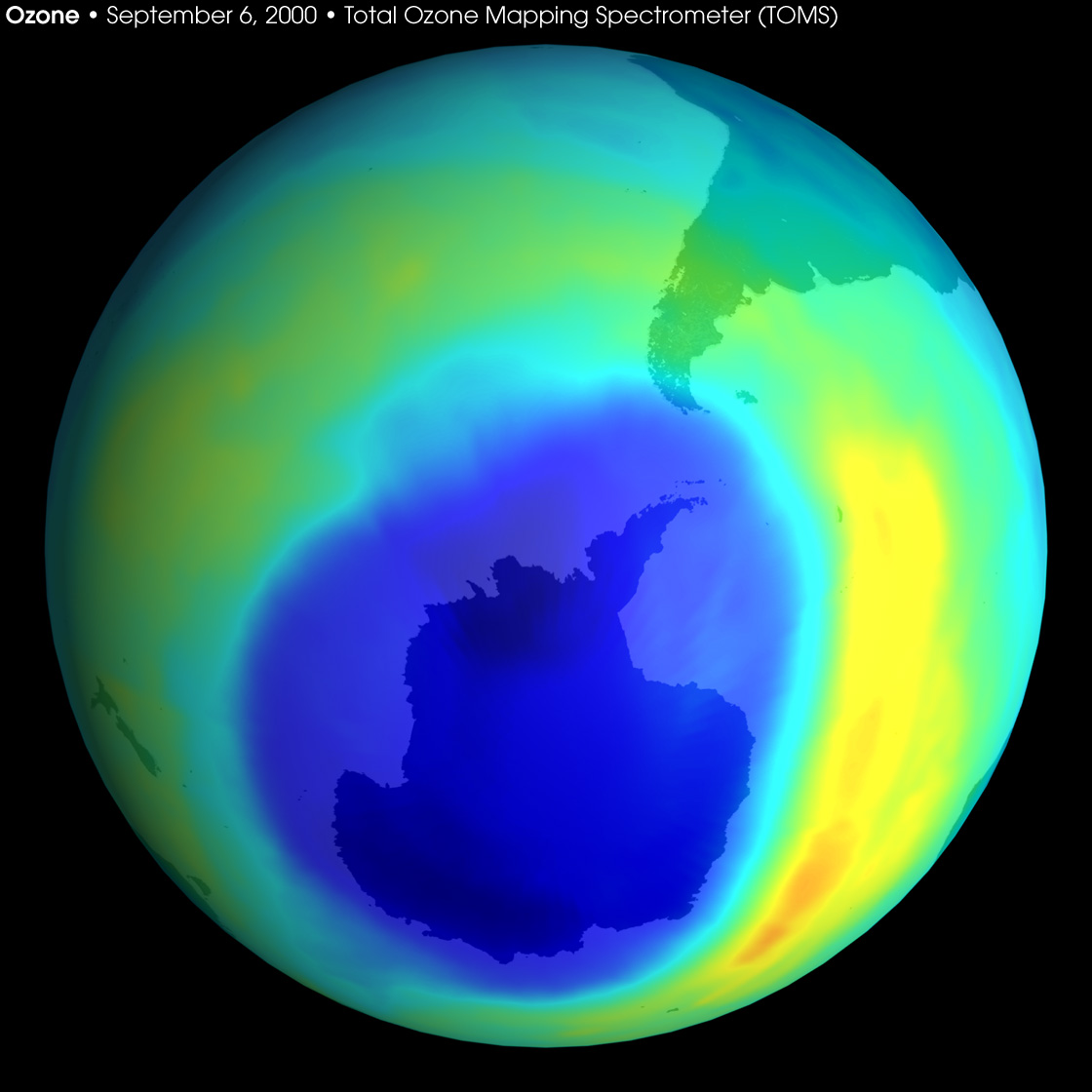
At this time of year, as the sun rises over Antarctica, a “hole” opens up in Earth’s ozone layer.
The ozone layer is a vital planetary boundary that protects all life on Earth from the sun’s damaging ultraviolet radiation. But as our research shows, a series of unusual events in recent years caused ozone holes that lasted longer.
The Montreal Protocol, which came into force just four years after the ozone hole was discovered in 1985, has been enormously successful in preventing many ozone-depleting gases from entering the atmosphere.
But the hole will continue to open each year for at least another four decades because of the long lifetimes of gases emitted last century.
Ozone depletion is also linked with climate change, and there are other emerging issues which could affect ozone recovery. These include more frequent mega-wildfires due to climate change, emissions from rocket launches and more satellite debris burning up in the upper atmosphere.
All this indicates ozone depletion is far from a solved problem.
Most atmospheric ozone resides in the stratosphere, at around 10-50km above Earth’s surface, where it absorbs the sun’s ultraviolet-B rays.
In New Zealand and Australia, summertime peak UV levels are higher – sometimes by as much as 30% – than at comparable latitudes in the Northern Hemisphere.
This is due to lower levels of air pollution, slightly lower ozone amounts historically and proximity to the sun, which is closer during Southern Hemisphere summers.
New Zealand and Australia also have the highest melanoma rates in the world. This is partly because of the higher UV levels, but there are other contributing factors, including improved diagnosis due to increased awareness.
If the Montreal Protocol had not been implemented, melanoma rates would be significantly higher today.
Even though most ozone-depleting gases are now banned, it will take decades before they are gone from the stratosphere.

In the meantime, the ozone hole continues to form above Antarctica each spring, causing cascading changes in temperature, winds and rainfall patterns across the Southern Hemisphere.
Ozone depletion causes the prevailing westerly winds at southern mid-latitudes (the “Roaring Forties”) to strengthen and shift toward Antarctica during summertime. This has increased surface melting on Antarctic ice shelves and is changing summertime rainfall and temperature patterns in New Zealand and Australia.
While the ozone hole drives climate change, protection and recovery of the ozone layer has additional benefits for the climate.
Many ozone-depleting gases, such as chlorofluorocarbons (CFCs) and hydrofluorocarbons (HFCs) are also potent greenhouse gases. By phasing out these gases, the Montreal Protocol has helped the world avoid a catastrophic collapse of the global ozone layer, and also limited global warming.
One study estimated the Montreal Protocol delayed the first ice-free summer in the Arctic by up to 15 years.
Ozone depletion and climate change are interlinked issues. While ozone depletion affects Southern Hemisphere climate, global ozone recovery is in turn affected by emissions of dominant greenhouse gases such as carbon dioxide, nitrous oxide and methane.
The discovery of the ozone hole in 1985 was a major surprise. While the alarm bells had been sounded in the 1970’s that CFCs destroy stratospheric ozone, scientists didn’t predict the existence of the large hole above Antarctica.
It was some years after the ozone hole was discovered that scientists began to understand just how ozone depletion works in the cold Antarctic stratosphere.
The Montreal Protocol is arguably the most successful environmental treaty, but the ozone story brings continual surprises. The timing of ozone recovery depends in part on future emissions but there are other contributing factors.
Recent research shows mega-wildfires such as the Australian bushfires of 2019 can contribute to ozone depletion. An increase in civilian rocket launches is expected to put more ozone-depleting gases and aerosols into the stratosphere.

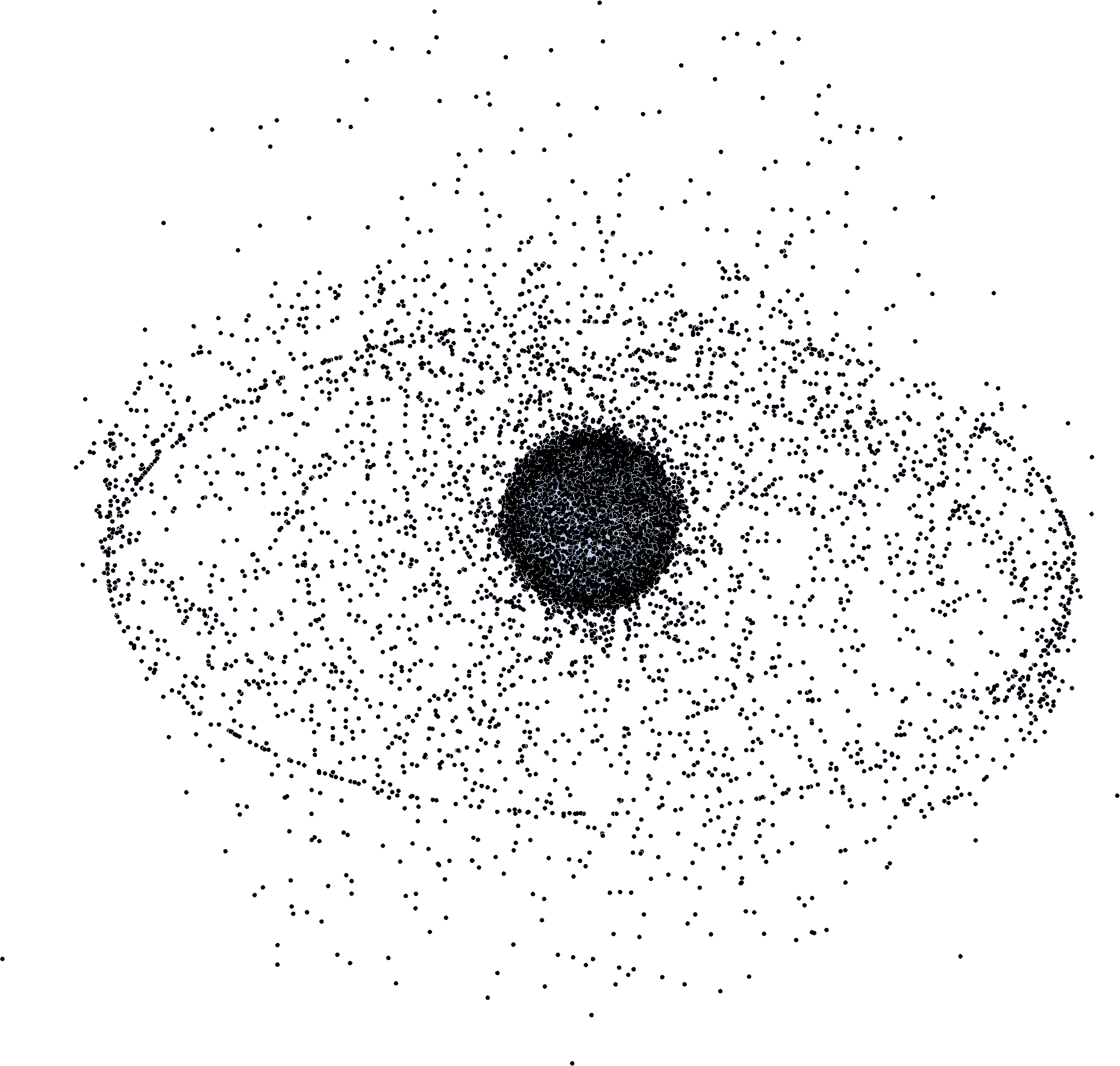
Higher amounts of debris from satellite re-entry may contribute to ozone loss by introducing aerosols into the upper atmosphere.
On top of these issues come controversial “geoengineering” proposals, whereby aerosols are deliberately injected into the stratosphere to reduce the rate of global warming.
This would likely deplete ozone further and any such projects must be given careful thought – along with myriad other considerations before such proposals are implemented.
History tells us technological innovation can bring solutions (such as the replacement of CFCs by non-ozone depleting gases) but also unanticipated consequences. Far from being a “solved” 20th-century problem, ozone remains an important issue, albeit in new and previously unimagined ways.

Laura Revell receives New Zealand government funding from the Royal Society Te Ap?rangi (Marsden fund and Rutherford Discovery Fellowships) and Ministry for the Environment. She is a member of the UN Environment Programme (UNEP) Environmental Effects Assessment Panel (EEAP) which assesses how ozone depletion impacts life on Earth, and a member of the International Ozone Commission.
Dan Smale and Richard McKenzie do not work for, consult, own shares in or receive funding from any company or organisation that would benefit from this article, and have disclosed no relevant affiliations beyond their academic appointment.