Prime minister tells delegates in Tuvalu and Fiji that ‘super El Niño’ brewing in the Pacific shows climate change is ‘here right now’
Anthony Albanese has warned Australia faces a hazardous summer, likely including floods, cyclones and extreme heat, due to the immediate threat of climate breakdown and a rising “super El Niño”.
Speaking alongside national leaders at a climate summit in Fiji, the prime minister said the expected nasty summer and the demonstrated impact on Pacific island countries – including low-lying Tuvalu – showed the world could not afford to let the goal of limiting global heating to 1.5C “just slip from our grasp”.
In the humid tropics of Southeast Asia, afternoon thunderstorms roll through almost every day.
Daytime heat causes towering, fluffy cumulonimbus clouds to form and swell before unleashing torrential rain on cities such as Singapore, Hong Kong and Bangkok. In these places, drainage systems are designed to cope with short, heavy downpours of rain.
But the rains in Bangkok over the last week were far from typical.
September is the wettest month in Thailand’s bustling capital, with a monthly average of 344 millimetres usually spread across 18 rainy days. But just last week, roughly 300mm of rain fell in Bangkok over 48 hours, overwhelming the city’s drainage systems.
This extraordinary volume of water prompted authorities to declare a city-wide disaster zone. As stagnant, brown water has inundated the city, at least 31 people have died and thousands have been forced to evacuate.
What caused all this rain?
This sudden and extreme downpour was caused by a low-pressure system that stayed over the Bangkok region for about three days. In a low-pressure system, air rises and moisture in the air condenses to form clouds and rain. If a low-pressure system stalls, it can dump rain over the same location for days, leading to severe flooding.
Weather maps of the stalled low pressure system that caused the Bangkok floods. Colours show the water vapour in the atmosphere.
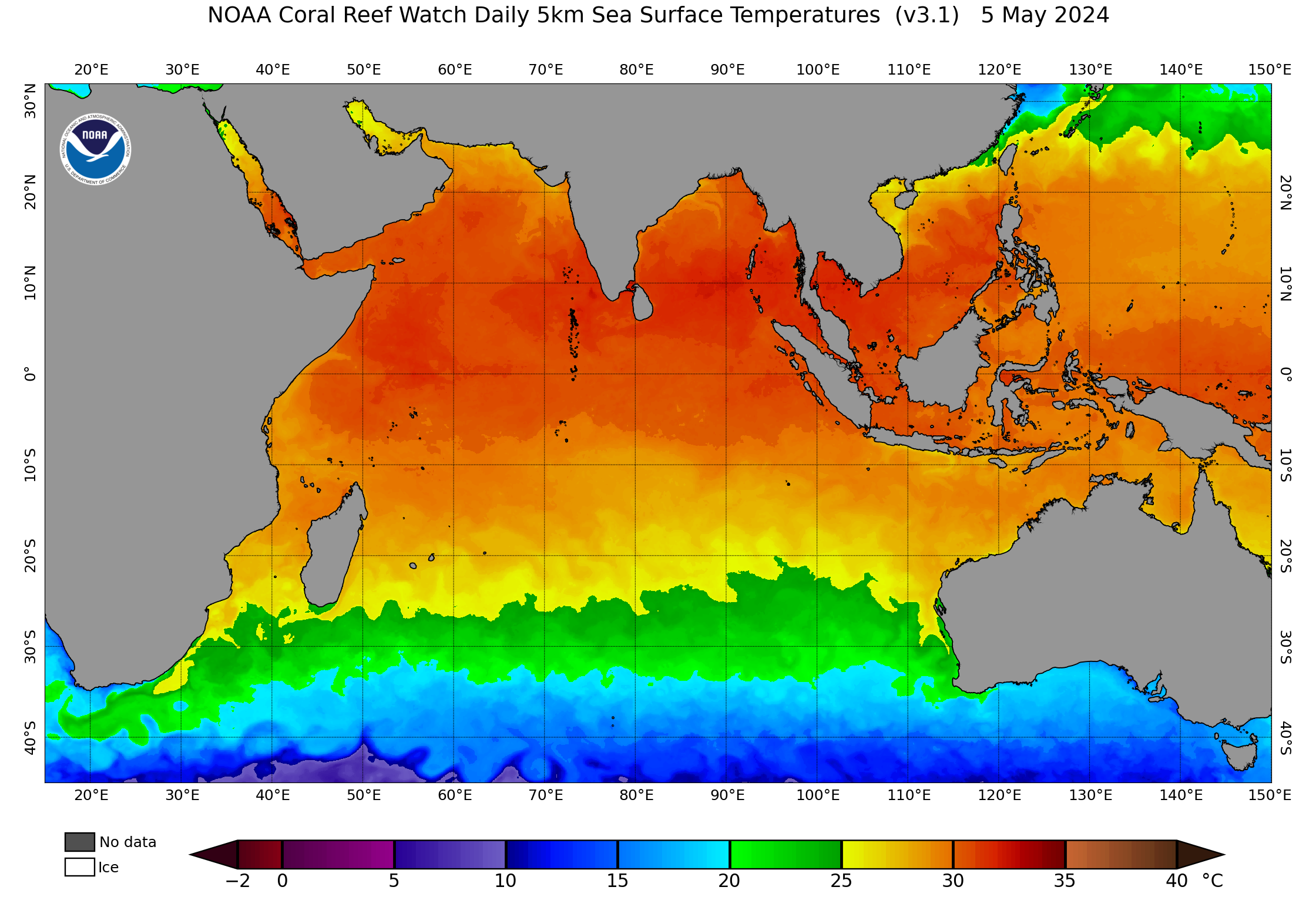
In the nearby Gulf of Thailand, sea surface temperatures are sitting close to 30°C, several degrees above the local average. These warm conditions provide ample moisture and energy for the storm to persist.
Thailand is no stranger to flooding. In 2011, more than 800 people died when high rainfall, multiple tropical storms, high sea levels and an early start to the monsoon season collided. This triggered widespread flooding that lasted months. World Bank figures show these floods caused an estimated US$46.5 billion in damage, with the local manufacturing industry worst hit.
Bangkok sits on a floodplain near the mouth of the Chao Phraya river, which drains into the Gulf of Thailand. The city is largely flat, without the natural topography to slow or redirect vast volumes of water.
Bangkok has also been sinking for decades. Extensive groundwater extraction in the mid-20th century caused the ground beneath Bangkok to progressively sink, dropping by more than 10 centimetres in 1988 alone.
Policy changes, such as groundwater pricing and extensive monitoring, have reduced this rate of sinking to 2-3cm per year. But as sea levels rise, this sinking coastal city is less able to drain floodwater into the Gulf of Thailand, heightening the risk of prolonged floods.
Bangkok is also rapidly becoming more urban, characterised by high rises and a booming population. Concrete is replacing spongy soils across much of the city, meaning the ground absorbs less water when it rains. The past 30 years of urbanisation in Bangkok have increased surface water runoff by 25% during bouts of extreme rainfall.
The fingerprint of climate change
It’s too early to know the exact effect of climate change on this specific rainfall event. However, the fingerprint of climate change is detectable in global extreme rainfall trends.
In Bangkok, research suggests extremely rainy days are getting even more wet, with the heaviest rainfall day of the year increasing by 6-12mm every decade.
Another study of the 2011 flood identified a strong increasing trend in pre-monsoon rainfall across Thailand. Most of Thailand’s rain happens in the monsoon months of May to October. This could prime the soils for flooding even before the heaviest rain occurs.
The atmosphere is able to hold more water as global temperatures rise, meaning future rainfall will likely be more intense than if humans weren’t warming the planet. Worryingly, Earth’s atmospheric water vapour reached a record high in August.
We don’t yet know if climate change will affect stalling low-pressure systems. But when these systems do form, we can expect more rain to fall.
Two friends lock arms as they wade through a flooded street during the 2011 Bangkok flood.FlixLaframboise/Getty
What comes next?
Forecasts suggest Bangkok is in for more rain over the next week. However, residents have already started the clean up and are getting on with everyday life, even creating a floating market to sell produce.
In the long-term, however, extreme floods will undoubtedly strike Bangkok again due to a combination of climate, geography and urbanisation.
Crucially, urban drainage systems must be designed to cope not just with present-day extreme rainfall, but future projections of intensifying rain. Urban planning that promotes green infrastructure and permeable pavements can reduce storm run-off and allow the ground to absorb more water.
Improving early warning systems is vital to protecting vulnerable residents, with some Bangkok locals reporting they didn’t receive phone warnings until the water was already waist-high. Investing in global weather observations and high-resolution models will provide better forecasts of extreme weather.
A man pushes a makeshift raft full of food supplies during the destructive Bangkok flood of 2011.gdagys/Getty
Kimberley Reid receives funding from the Australian Research Council.
Australia’s power grid is changing quickly. Coal-fired power stations are gradually shutting down as renewables such as solar and wind grow.
But as coal plants retire, they take something useful with them – their giant spinning turbines. As these turbines spin, they help keep the grid stable. Grid-scale batteries can do some of this stabilisation, but not all.
This is why authorities are installing more synchronous condensers (“syncons” for short) – large spinning electrical machines that can keep voltage normal and absorb shocks.
Our recent research found synchronous condensers work well. But because they are expensive, they have to be well located and the right size.
Synchronous condensers are large synchronous electric motors whose spinning helps stabilise the power grid. This machine was built in 1966 in Templestowe, a suburb of Melbourne.Mriya/Wikimedia, CC BY-NC-SA
What are these machines for?
Since 2000, electricity on Australia’s grids has been set at 230 volts, with an acceptable range of up to 10% higher or 6% lower. If electricity is like water flowing through a pipe, voltage is the water pressure.
Maintaining voltage within this range is important. If there’s an electrical fault, a sudden change in electricity demand or a large power plant unexpectedly goes offline, the grid voltage can become unstable and lead to power outages. If the voltage fluctuates constantly, it can burn out appliances.
In severe cases, such instability can pave the way for prolonged blackouts, such as South Australia’s 2016 statewide blackout.
Authorities use the system strength metric to track how stable the grid voltage is. A grid with good system strength can maintain stable voltage both during normal operations and when things go wrong.
These large electrical motors are connected to the grid. They look similar to the large generators used to produce electricity in conventional power stations.
But these motors don’t produce power – they just spin. Their spinning acts as a shock absorber for the power grid.
In cars, shock absorbers help keep the vehicle stable on rough roads. A syncon plays a similar role for the grid. When the grid becomes unstable, these spinning machines help restore the voltage to its normal operating range.
Not new – but newly important
Synchronous condensers have been around for more than a century. Early power grids relied heavily on them for stabilisation. As grid technologies matured, there was less need for these machines. Now they’re making a comeback.
For decades, Australia’s electricity was largely supplied by large coal, gas and hydro stations. These large generators did two essential jobs at once – producing electricity and keeping the grid stable.
In recent years, old coal power stations such as Liddell in New South Wales and Hazelwood in Victoria have been retired. The power they produced is being replaced by solar and wind farms, while batteries are storing power and releasing it back to the grid at peak times.
These technologies typically rely on inverters to supply power to the grid. Inverters convert DC (direct current) into AC (alternating current) electricity so it can be used in homes and businesses. The problem is, conventional inverters don’t automatically provide the boost to system strength that large rotating generators once did.
This is why the Australian Energy Market Operator is planning more synchronous condensers, especially for regions facing current or emerging shortfalls in system strength due to the growth of renewables and battery storage and the retirement of fossil fuel plants. New syncons will need to be installed before coal plants can formally retire.
Syncons have been around for over a century, but their use declined as grid technologies improved. Pictured: a synchronous condenser (centre) at the 1950 Milan Trade Fair in Italy.Mondadori Portfolio/Getty
Are we on track?
Authorities in several states have already installed syncons to ensure the grid remains reliable. The need for these machines depends on how fast coal plants shut down.
Renewables now produce over 75% of South Australia’s power. To ensure grid stability amid the transition, authorities installed four large syncons – two at Davenport and two at Robertstown.
These gave the state enough system strength to maintain grid stability as conventional power plants retired.
Victoria now has the nation’s largest syncon up and running near Ararat.
And Queensland is building four synchronous condensers – two at Calliope River near Gladstone, one at Nebo and one at Stanwell. These are expected to be operating in 2029.
Synchronous condensers aren’t the only way to ensure the power grid stays stable. Gas-fired power stations and hydroelectric generators can stabilise the grid. New grid-forming battery systems with advanced inverters can do some of this work, though not yet all.
Queensland’s state-owned transmission company, Powerlink, plans to combine syncons, advanced grid-forming batteries and existing power plants, such as hydro and gas units, to ensure the grid stays strong.
Keeping the grid strong
Australia’s energy planners are well aware of the need to keep the grid strong as coal is retired. Projects to strengthen the grid are now under way in several states.
The challenge will be to ensure these new grid-support technologies are up and running in time to allow ageing coal plants to retire.
The authors do not work for, consult, own shares in or receive funding from any company or organisation that would benefit from this article, and have disclosed no relevant affiliations beyond their academic appointment.
Danggu Geikie Gorge is welcoming its first visitors in more than three years, after the devastating Fitzroy River Floods destroyed almost all its infrastructure.